Things to Do in Alsace — a 3-day itinerary
Alsace is a wine region in north-east France, on the German border. Its capital, Strasbourg, has a UNESCO-listed historic centre — the Grande-Île, inscribed in 1988, with the Neustadt district added in 2017. South of the city, the 170 km Alsace Wine Route, France's oldest (opened in 1953), links Colmar and around 70 half-timbered villages such as Eguisheim, Riquewihr and Kaysersberg. Three days is the sweet spot: one for Strasbourg, one for Colmar and the Wine Route, one for a hilltop castle or the Black Forest. The catch — most of the storybook villages have no train station, so a car, or a private driver like StrasVan, is what turns a two-village day into a five-village day.
5.0 · 131 Google reviewsRead reviews →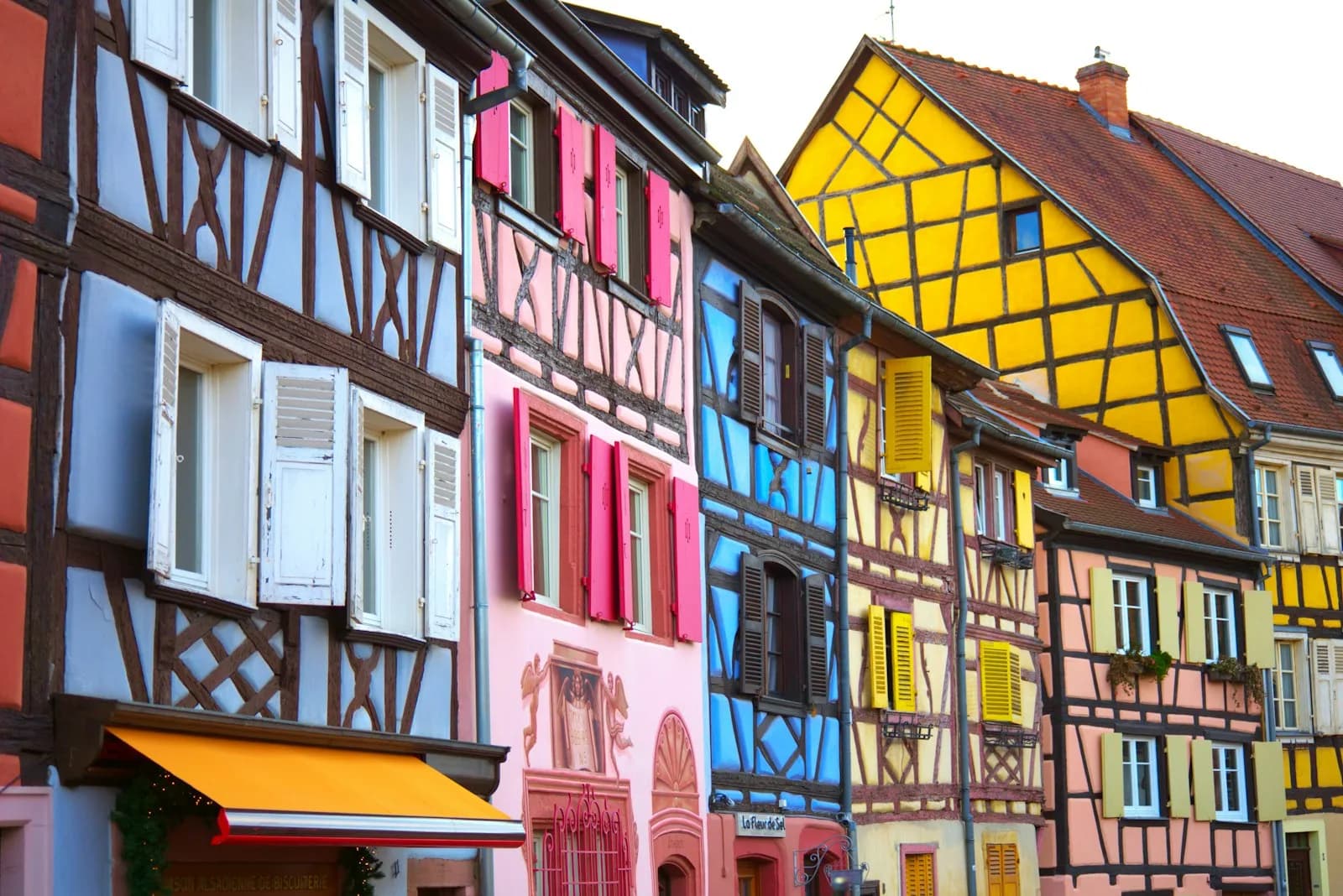
How many days do you need in Alsace?
Three days is the classic answer — enough to see the essentials without rushing. Give Day 1 to Strasbourg, Day 2 to Colmar and the Wine Route villages, and Day 3 to a castle, Mont Sainte-Odile or a Black Forest day trip.
With only one day, stay in Strasbourg and add a single nearby village, or Colmar by train. With four or five days you can slow down, add a walk above the vineyards, and reach further afield — Haut-Kœnigsbourg, Europa-Park, or the Wine Route end to end. For most first-time visitors flying into Strasbourg or Basel-Mulhouse, a three-day base in Strasbourg or Colmar covers the region comfortably.
A 3-day Alsace itinerary from Strasbourg
Day 1 — Strasbourg and its UNESCO old town. Spend the first day on foot in Strasbourg's Grande-Île, the UNESCO-listed island at the heart of the city (inscribed in 1988). See the Cathédrale Notre-Dame and its astronomical clock, wander the canals of Petite France, and take a boat trip on the River Ill. In the afternoon, cross into the Neustadt, the grand German-era district added to the UNESCO listing in 2017. No car is needed today — the old town is walkable and the tram covers the rest.
Day 2 — Colmar and the Wine Route villages. Head south to Colmar (about 45 minutes by car, or roughly 30 minutes by TER train), the most photographed town in Alsace, with its Little Venice canals and half-timbered houses. From Colmar, string together the Wine Route villages — Eguisheim (France's Favourite Village, 2013), Turckheim, Kaysersberg (the same title in 2017), Riquewihr and Ribeauvillé — most within a 20-minute drive of one another. This is the day a car or a driver pays off: Riquewihr, Kaysersberg, Eguisheim and Ribeauvillé have no train station, so public transport limits you to one or two villages, while driving lets you see four or five.
Day 3 — a castle, a mountain, or the Black Forest. On the last day, pick a highlight. Château du Haut-Kœnigsbourg is a restored medieval fortress on a wooded summit, about 55 km (roughly a 50-minute drive) south of Strasbourg, with sweeping views over the Alsace plain. Mont Sainte-Odile, south-west of the city, pairs a clifftop convent with the pretty town of Obernai (about 30 minutes by train from Strasbourg). If you'd rather cross the Rhine, the Black Forest in Germany is an easy half-day trip. Families often swap this day for Europa-Park, Germany's biggest theme park, a short hop across the border.
Best time to visit Alsace
The sweet spot is late spring and early autumn — May, June, September and October — when the weather is mild, the days are long and the crowds are thinner. Autumn adds the grape harvest and golden vineyards. July and August are the busiest and warmest.
From late November to late December, Alsace becomes one of Europe's Christmas-market capitals — magical, but book everything early, because Strasbourg and Colmar fill up fast. Winter days are short and some Wine Route roads are quiet, so a driver who knows the region is a real help in the cold months.
How to get around Alsace
Here is Alsace's paradox: the towns are easy to reach by train, but the villages that make the region famous are not. Strasbourg, Colmar (about 30 minutes by TER), Obernai and Sélestat all sit on the rail line — but Riquewihr, Kaysersberg, Eguisheim and Ribeauvillé have no station, and Haut-Kœnigsbourg and Mont Sainte-Odile need a car for the final climb.
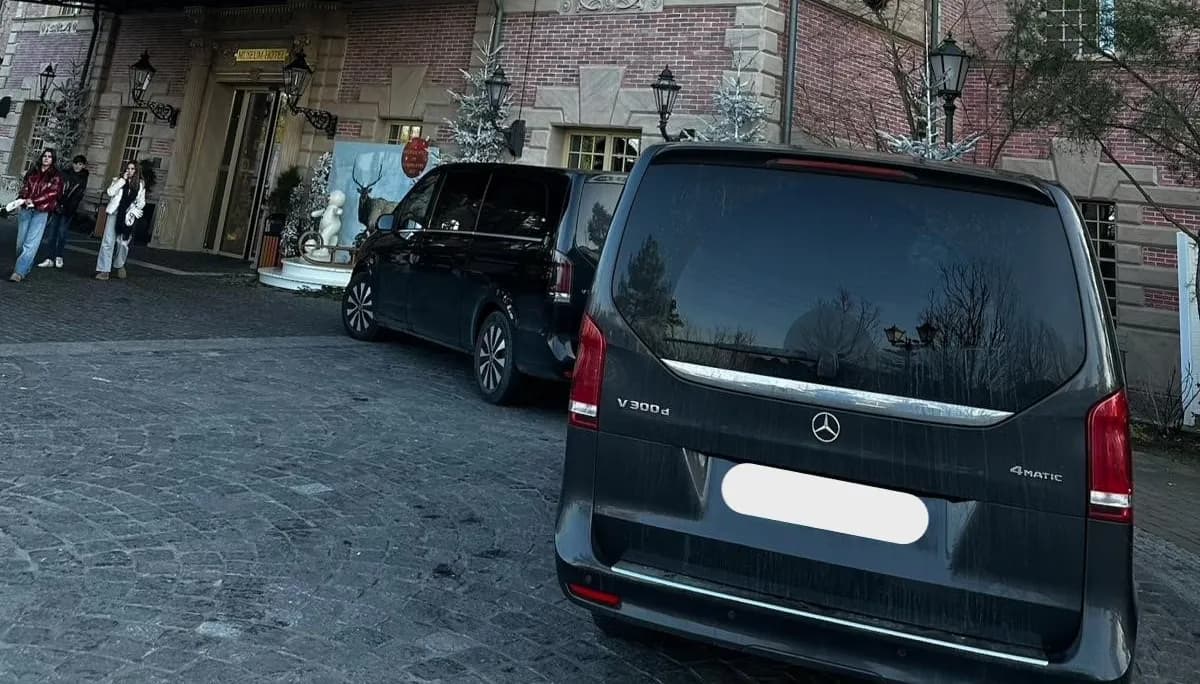
That leaves three ways to travel. The train is ideal for the Strasbourg–Colmar backbone (we compare it in our guide, Strasbourg to Colmar — train, bus or private driver). A rental car is the most flexible if you're happy driving French roads and parking in small villages. Or a private driver handles the whole thing door-to-door: StrasVan's English-speaking drivers cover Strasbourg, the Wine Route and cross-border trips in a saloon car or an 8-seater van for families and groups. Fares are worked out live in the booking module — enter your pick-up and drop-off to see the price.
Explore Alsace, place by place
This guide links to every StrasVan itinerary — pick a destination or a day trip.
Strasbourg to Colmar
Train, bus or private driver — how to travel the Colmar backbone →
Colmar & Alsace Wine Route
Colmar and the wine villages with cellar tastings, by private driver →
Strasbourg private tour
The UNESCO old town and European quarter with a private driver →
Black Forest day trip
Across the Rhine: Baden-Baden, Titisee and Triberg →
Europa-Park from Strasbourg
Germany's biggest theme park in Rust, ~50 min away →
Alsace at Christmas
Strasbourg & Colmar Christmas markets by private driver →
Frequently asked questions
Planning an Alsace trip, honestly answered.
How many days do you need in Alsace?
Three days is the classic recommendation: one for Strasbourg, one for Colmar and the Wine Route villages, and one for a castle or a Black Forest day trip. With four or five days you can slow down and go further afield. StrasVan runs day trips and multi-day driver hire from Strasbourg or Colmar to fit either plan.
Do you need a car to visit Alsace?
Not for the cities — Strasbourg, Colmar and Obernai are all on the train line. But the most beautiful Wine Route villages, such as Riquewihr, Kaysersberg and Eguisheim, have no train station, and castles like Haut-Kœnigsbourg need a road climb, so you'll want a car or a private driver for at least one day. StrasVan's private-driver option covers exactly these off-rail stops, door to door.
What is the best time to visit Alsace?
May, June, September and October offer the best mix of good weather and smaller crowds; autumn adds the grape harvest, and late November to December brings the famous Christmas markets. StrasVan operates year-round and adapts routes to the season, including the winter roads up to the hilltop villages.
What are the must-see villages on the Alsace Wine Route?
Eguisheim (France's Favourite Village, 2013), Kaysersberg (the same title in 2017), Riquewihr and Ribeauvillé are the classics, all within about 20 minutes of Colmar and of each other. Because they sit close together but off the rail network, StrasVan can string four or five of them into a single day by car or 8-seater van.
Can I do Alsace as a day trip from Strasbourg?
Yes. A popular day loop is Colmar plus two or three Wine Route villages, or a run to Haut-Kœnigsbourg castle, about 55 km south. It's tight by public transport, which is why many visitors book a StrasVan driver for the day and let someone else handle the roads and the parking.
How do I get from Strasbourg to Colmar?
The TER train links Strasbourg and Colmar in about 30 minutes, several times an hour. If you plan to add the villages around Colmar the same day, a private driver is more practical, since those villages have no station. We compare every option in our guide, Strasbourg to Colmar — train, bus or private driver, and StrasVan can drive the whole route door to door.
Plan your Alsace trip
Tell us your dates and what you'd like to see — StrasVan builds the itinerary and drives you door-to-door across Alsace, at a fixed price.